
Traditional
The classic recipe
Spanish dessert recipes in English
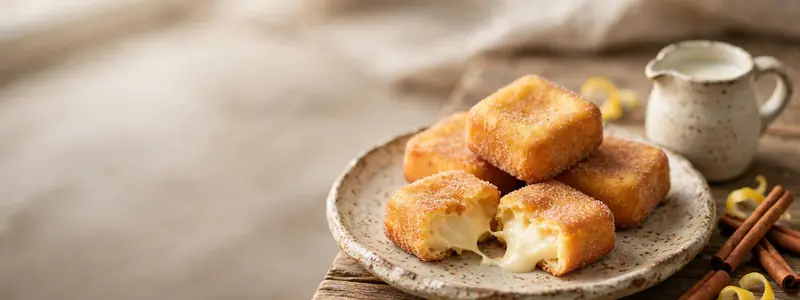
Leche frita is a traditional Spanish dessert: a thick, chilled milk custard cut into squares, coated and fried until golden, then rolled in cinnamon sugar. Crisp outside, creamy inside, and much easier to make than it sounds.
The name translates literally as “fried milk”, which puzzles many visitors to Spain. You do not fry milk, of course: you cook milk with sugar, a thickener (flour, cornstarch or both) and usually egg yolks into a custard so thick that it sets firm once cold. Cut into squares, coated in flour and egg and fried, it becomes a crisp golden parcel with a soft, creamy centre.
The classic flavourings are cinnamon and lemon peel, and the finishing touch is a coating of sugar and ground cinnamon. It is served warm or at room temperature, on its own or with ice cream or fruit.
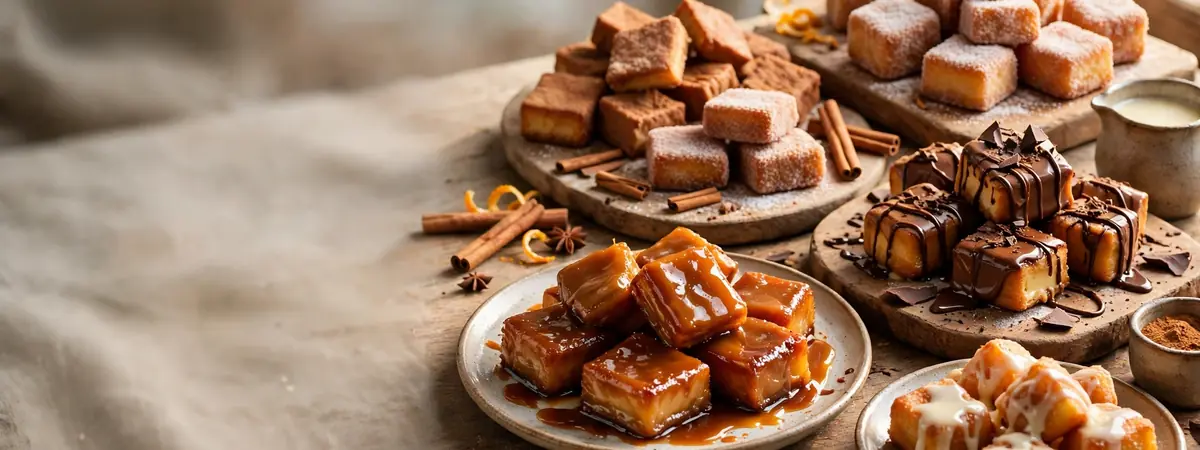
| Recipe | Thickener | Why choose it |
|---|---|---|
| Traditional | Egg yolks, flour and cornstarch | The classic: start here |
| With cornstarch | Cornstarch and 1 egg | Silkier texture, easy to adapt gluten-free |
| Caramelized | Cornstarch | A crunchy burnt-sugar top |
| With condensed milk | Cornstarch | Richer, no added sugar |
| Air fryer | Cornstarch and egg yolks | Flour and egg coating, almost no oil |
| Vegan | Cornstarch | No dairy and no eggs |
All recipes give metric weights first, with approximate cup and spoon equivalents and oven temperatures in °F. Ingredient names that change between countries (cornflour or cornstarch, caster or granulated sugar…) are explained in each recipe.
Nobody knows exactly where or when leche frita was first made, and no founding document has been found. It is often linked to convent kitchens, known for sweets made from milk, eggs and sugar, but that is a plausible attribution rather than a proven fact. It is associated above all with northern Spain: the province of Palencia is the birthplace most often credited, though without conclusive evidence, and Cantabria, Asturias, the Basque Country and Navarre all treat it as their own.
It is one of the sweets most closely tied to Lent and Easter (Semana Santa), especially in the north, and in some areas to Carnival as well; the usual explanation is the old custom of not eating meat on those dates. Today it is made all year round, both at home and in restaurants, and it has been adapted to newer techniques such as the air fryer and to dairy-free and gluten-free diets.
Similar ideas exist elsewhere: Italy has crema fritta, squares of thick pastry cream that are breaded and fried, and Cantonese cooking has its own “fried milk”, set milk cut into bars and fried in batter.
Our main website is in Spanish and covers many more versions — regional styles, chocolate, oven-baked, sugar-free and more — along with guides on coating, cutting and storing fried milk.
Six step-by-step recipes, from the classic to vegan and air fryer versions.
The classic recipe
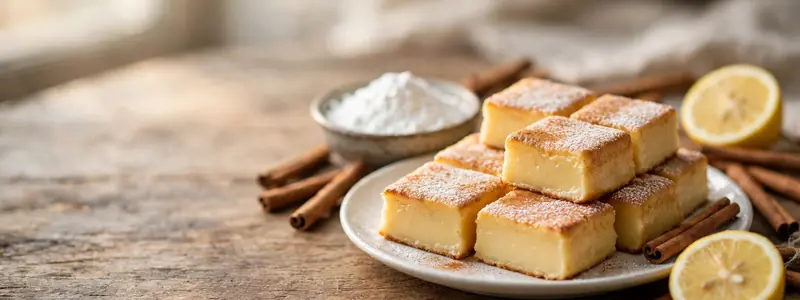
Silkier and smoother
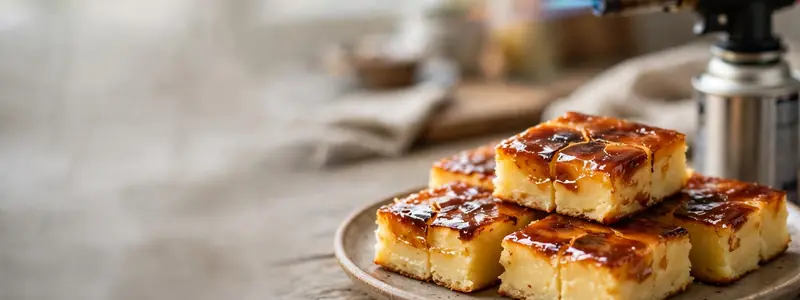
With a burnt-sugar crust
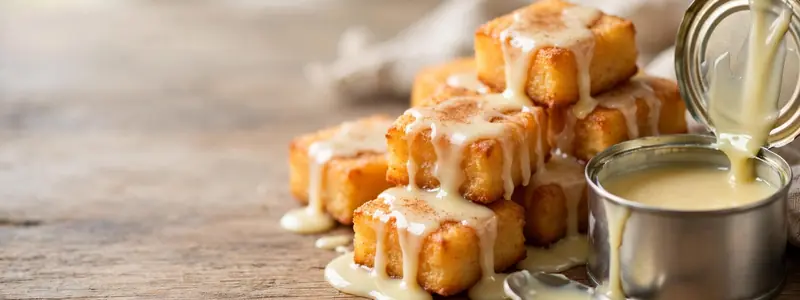
Richer and creamier
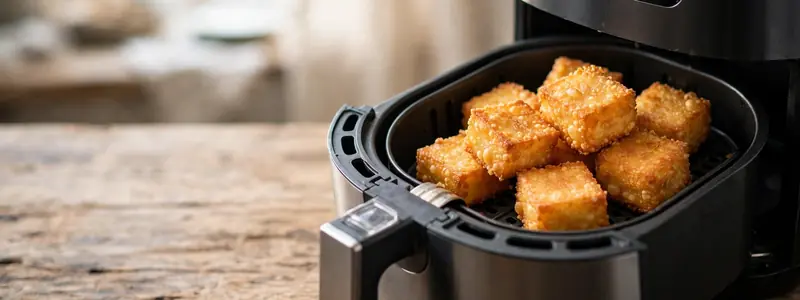
Almost no oil
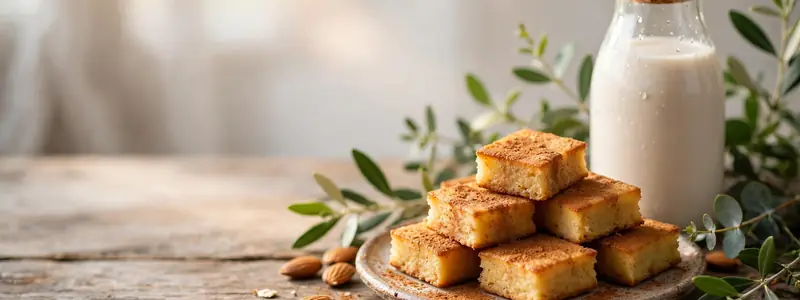
100% plant-based